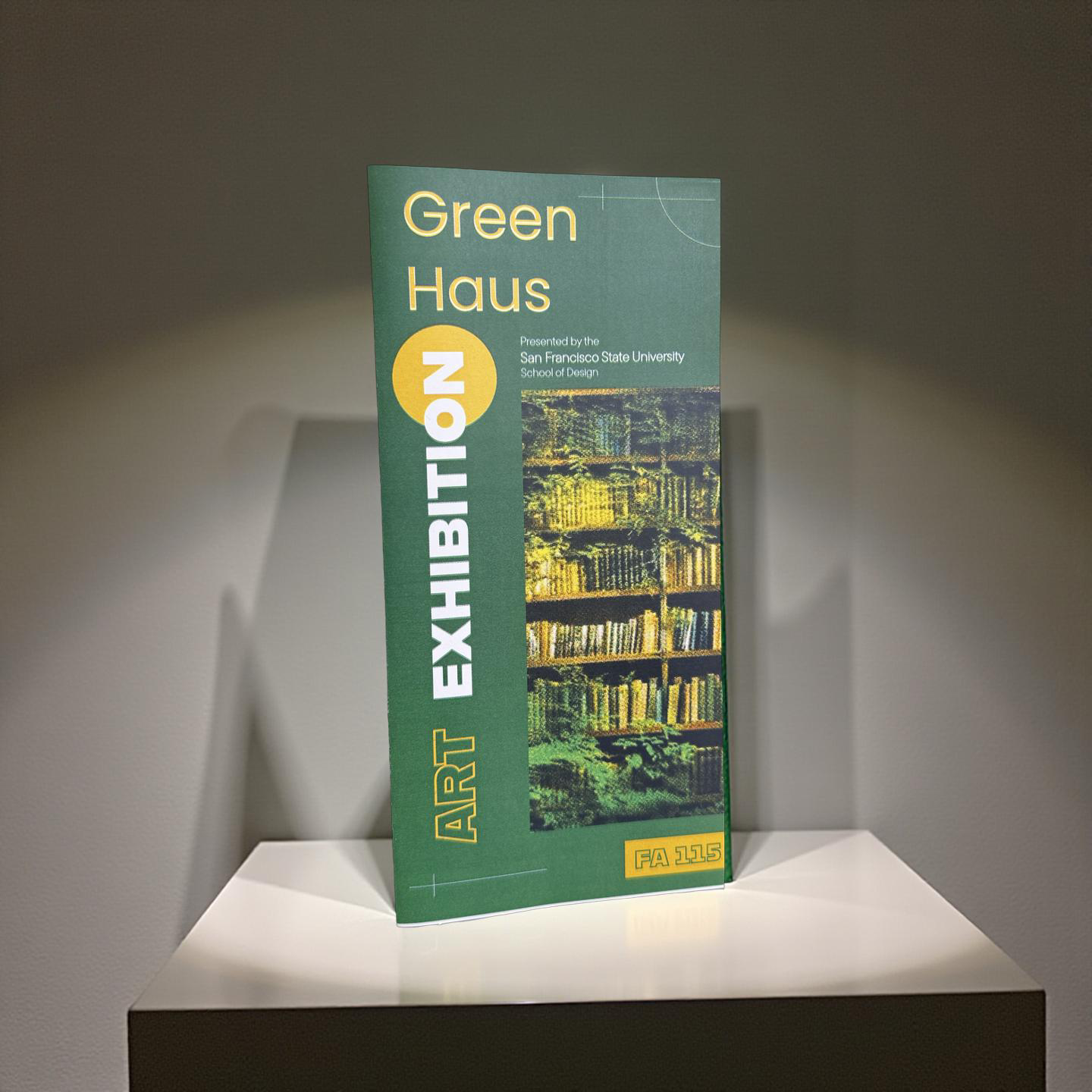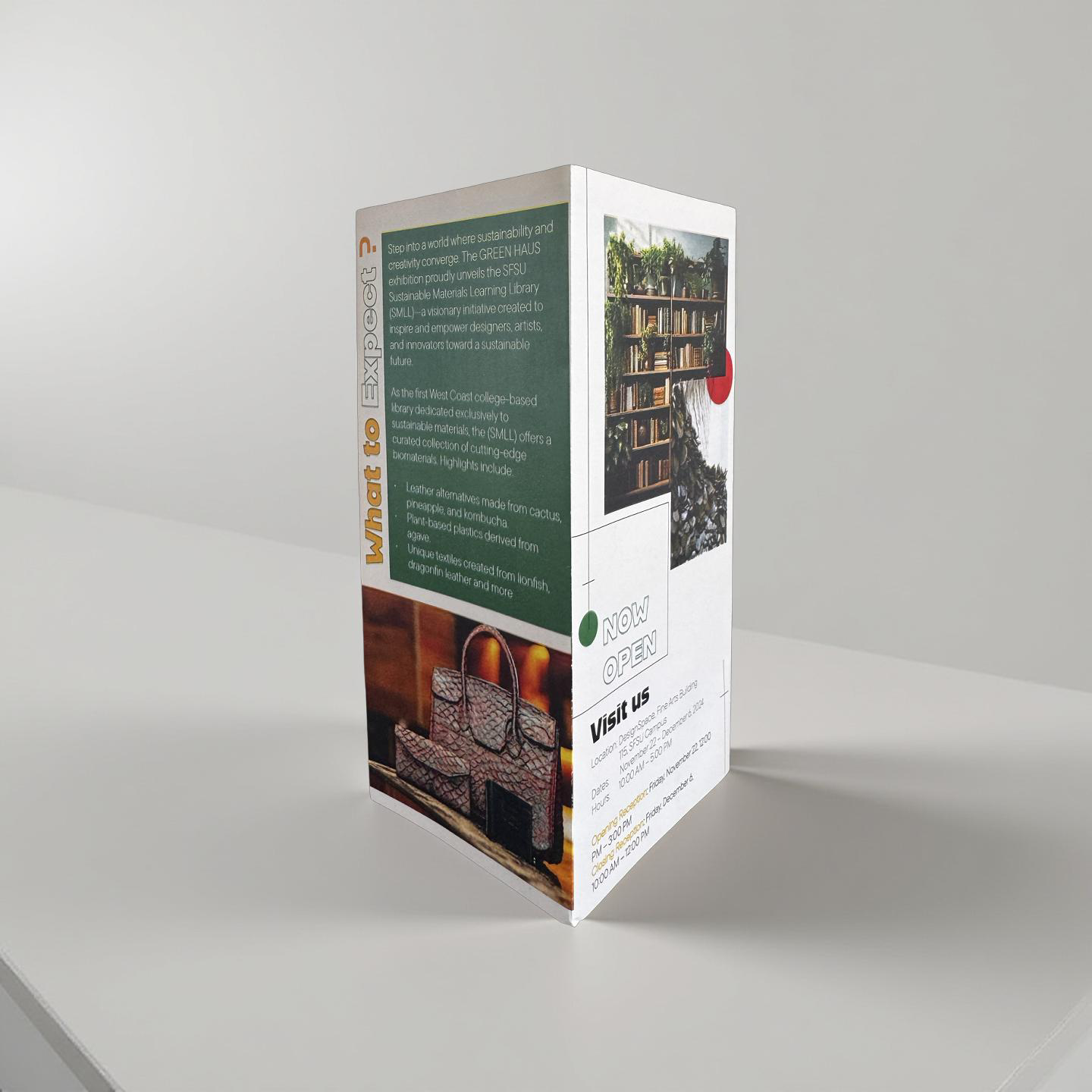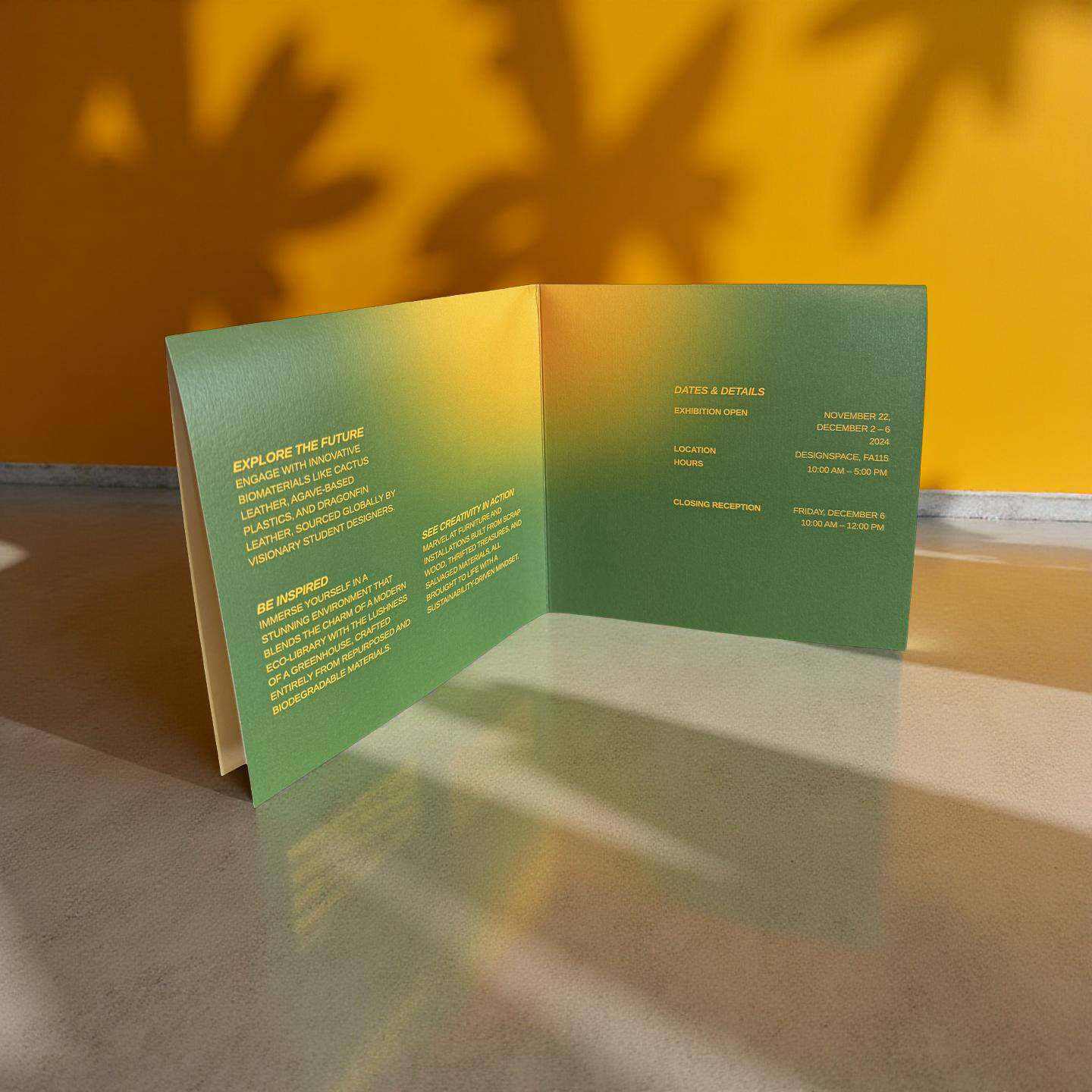
GREENHAUS Brochure Design
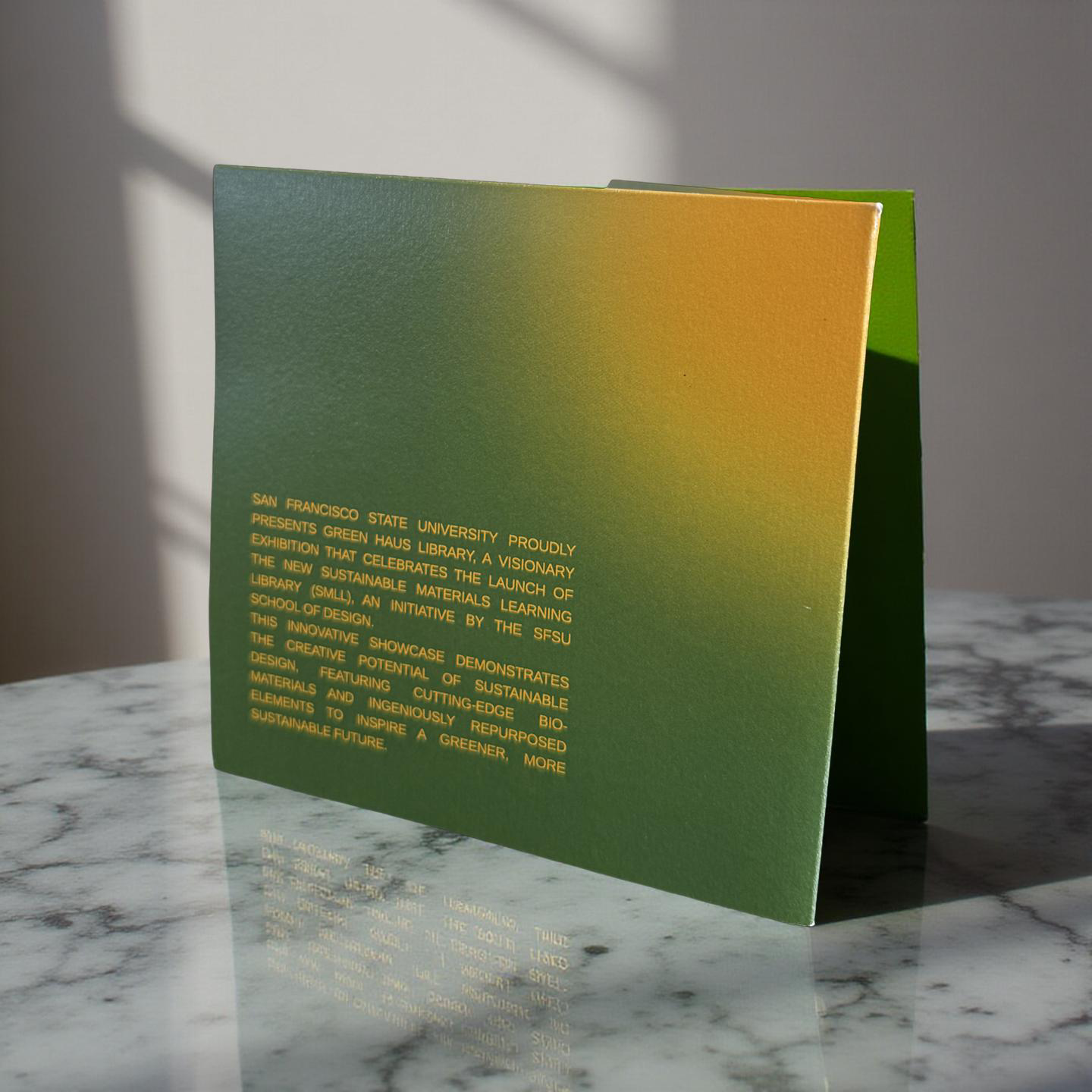
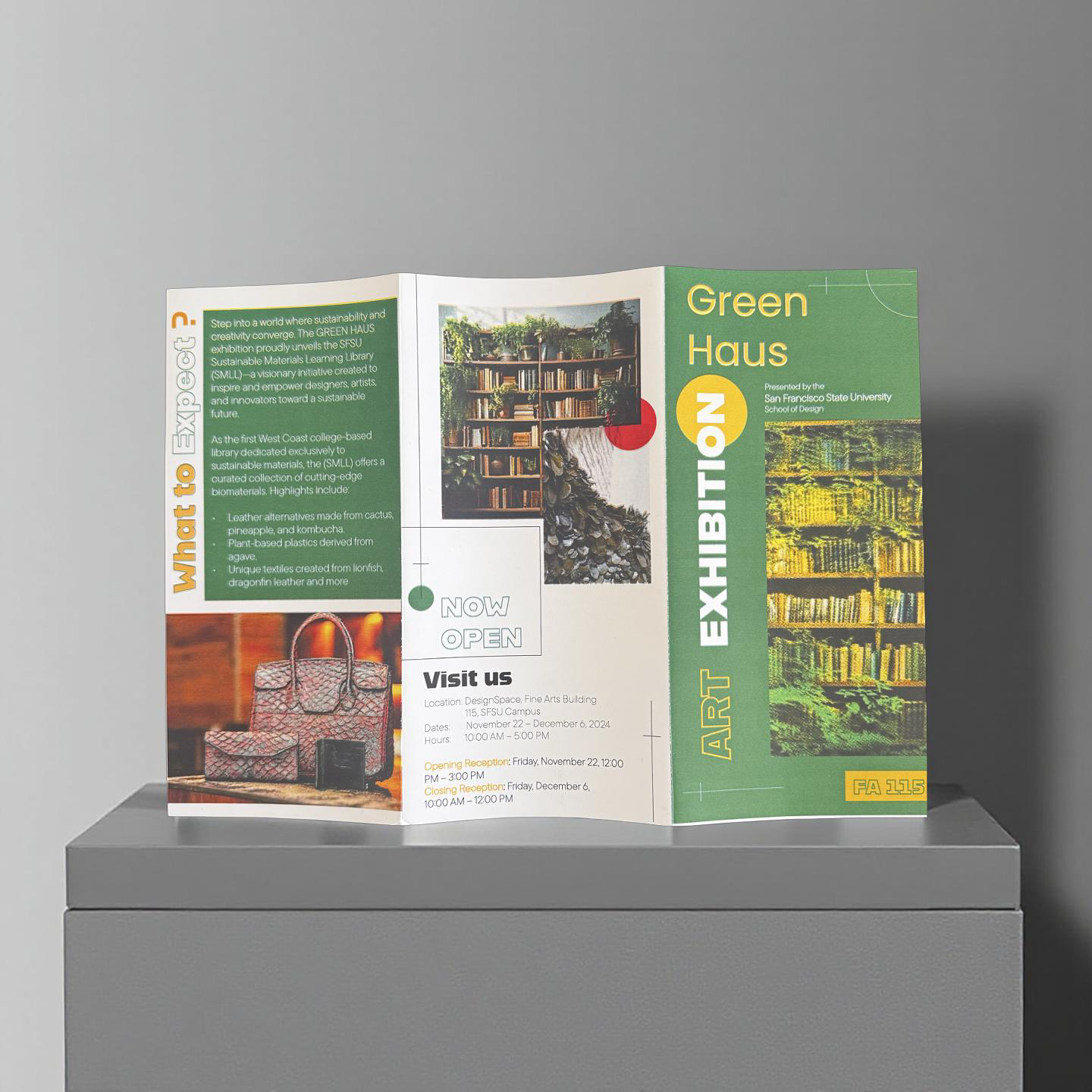
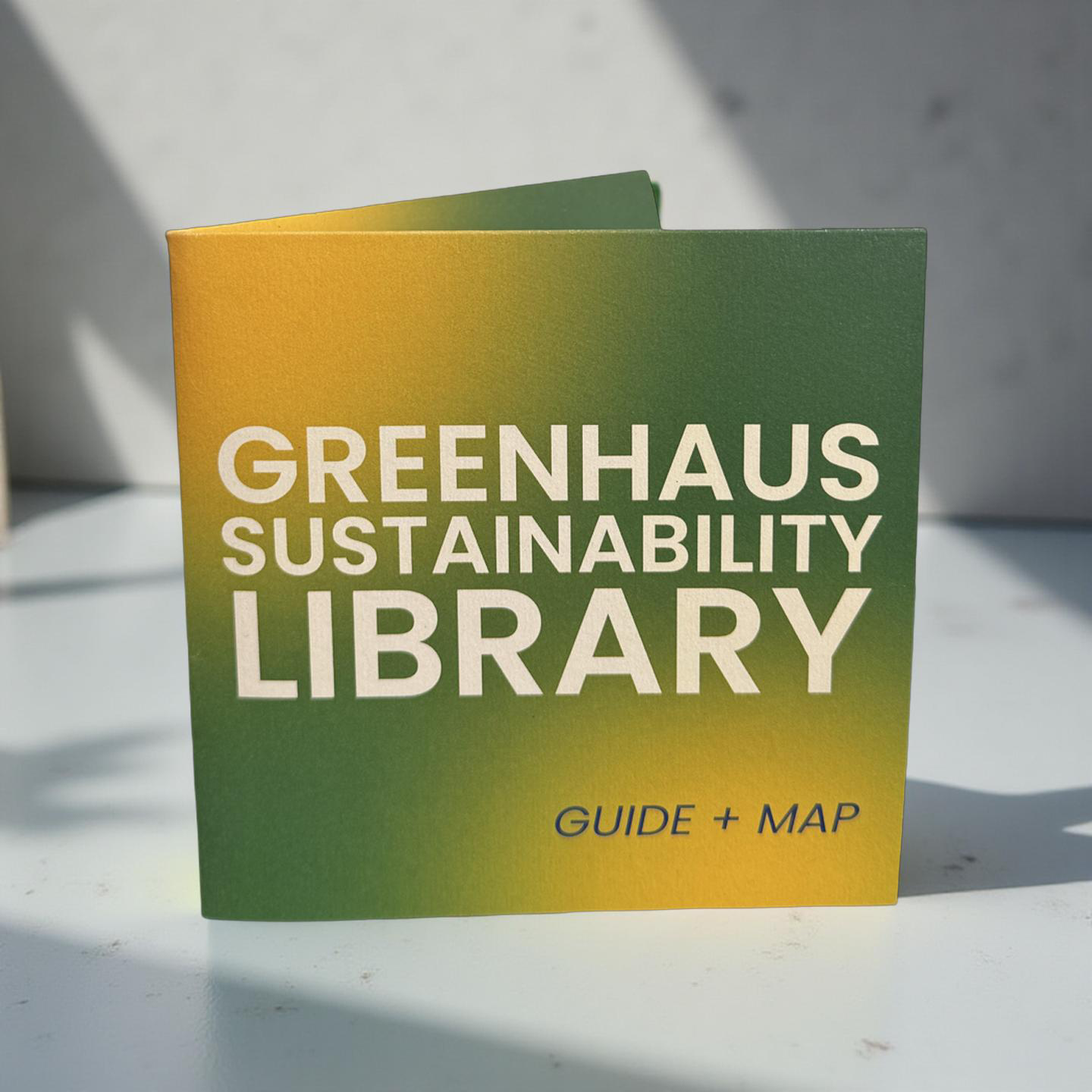
Collaborated with a design cohort to create a cohesive two-part brochure system for museum visitors, combining clear navigation with a refined, nature-inspired visual identity. Contributed to layout design, visual consistency, and translating complex museum information into an accessible and engaging visitor experience through team critiques and collaborative design development.
The Systems
Informational Guide: A collaborative resource detailing exhibits and programming, built for high readability and public engagement.
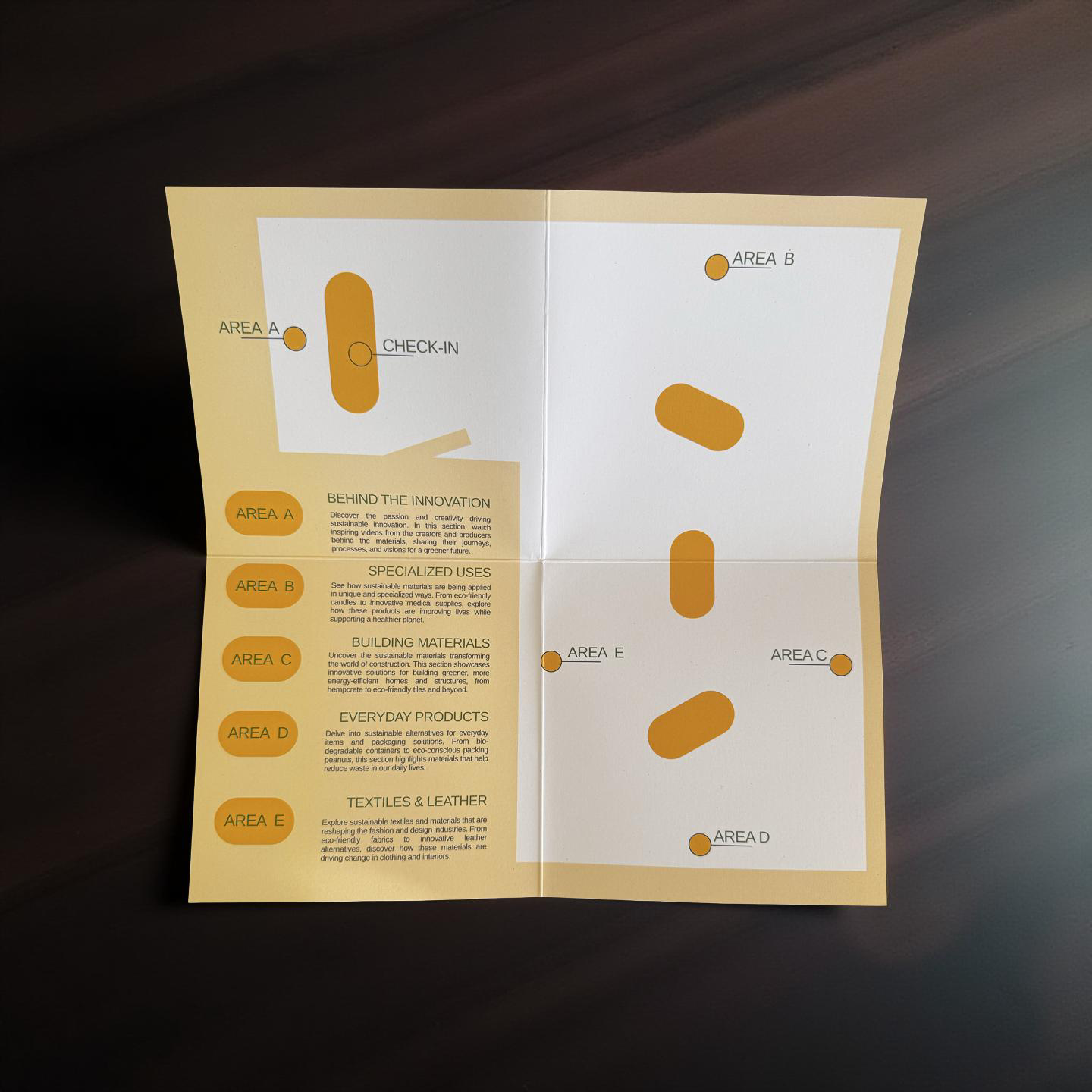
Navigation Map: A functional, scaled layout developed to help visitors move through the physical space intuitively.
Key Team Contributions
Integrated Visual Language: We co-developed a system of custom iconography and typography that unified the distinct formats.
Collective Information Architecture: The team structured dense educational content into a clear, scannable hierarchy to improve accessibility for all visitors.
Spatial Logic & Wayfinding: Through iterative testing, we translated complex physical dimensions into a simplified 2D map to optimize visitor flow.
Takeaways & Lessons Learned
Systems Thinking: Maintaining visual cohesion across multiple touchpoints requires constant communication and a commitment to the team's established design standards.
Feedback Loops: Our process proved that the most "user-friendly" solutions come from a cycle of drafting, peer feedback, and collective refinement.
Technical Toolkit
Collaborative Design • Systems Thinking • Wayfinding & Map Design • Information Architecture • Peer Critique & Iteration